
,Accra, Ghana – February 27, 2025 – The Nuclear Power Ghana (NPG) hosted a virtual workshop today, exploring the transformative nature of nuclear power technology and its relevance for Ghanaians.
Renowned experts Mr. Daniel Wordson and Dr. Felix Ameyaw delivered insightful presentations, highlighting the potential of nuclear power technology to transform Ghana’s energy landscape.
According to Mr. Wordson, nuclear power plants can provide a reliable and constant supply of electricity, making them an ideal solution for meeting Ghana’s increasing energy demands. He explained that the process begins with the reactor core, which is the heart of the nuclear power plant. The reactor core houses the nuclear fuel and facilitates the nuclear reaction, releasing heat energy in the process.
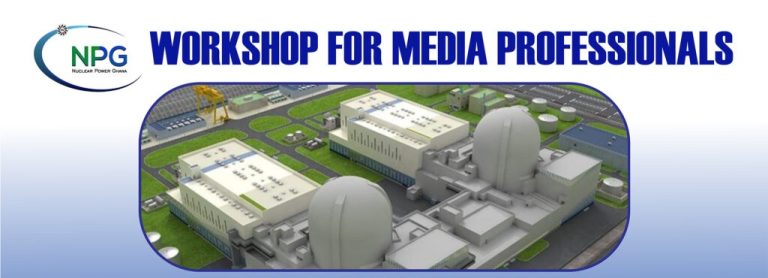
To regulate the temperature of the reactor core, a cooling system is used. Mr. Wordson discussed the different types of cooling systems used in nuclear power plants, including water-cooled and gas-cooled systems. He emphasized the importance of the cooling system in ensuring safe and efficient operation.
The heat energy produced by the reactor is then converted into steam using a steam generation system. This steam drives the turbine to generate electricity, which is then transmitted to the power grid. Mr. Wordson explained how the steam generation system is designed to optimize efficiency and minimize waste.
Dr. Ameyaw highlighted the numerous benefits of nuclear energy, noting that it is a clean and environmentally friendly source of energy, producing no greenhouse gas emissions during operation. For example, a typical nuclear power plant can prevent the emission of up to 2.4 million tons of carbon dioxide per year, equivalent to taking 470,000 cars off the road.
Nuclear power plants can also operate continuously, providing a stable source of electricity. This reliability is critical for powering industrial development, driving economic growth, and improving the quality of life for Ghanaians. In fact, nuclear power plants have an average capacity factor of 92%, compared to 50% for solar power and 45% for wind power.
Furthermore, nuclear energy can be generated on a large scale, making it an ideal solution for meeting Ghana’s increasing energy demands. Dr. Ameyaw explained how nuclear energy can be used to power industrial development, drive economic growth, and improve the quality of life for Ghanaians. For example, the Koeberg nuclear power plant in South Africa has been generating electricity for over 30 years, providing enough power for over 2 million homes.
The workshop was attended by media professionals from across the country, who engaged in a lively Q&A session with the experts. This event marked a significant milestone in Ghana’s journey towards embracing nuclear energy as a viable source of power.
“We are excited about the potential of nuclear energy to transform Ghana’s energy landscape,” said Dr. Stephen Yamoah, Executive Director. “Today’s workshop is an important step in our efforts to educate the public about the benefits of nuclear energy and its relevance for Ghanaians.”
As Ghana continues to explore alternative energy sources, the NPG workshop has provided a solid foundation for media professionals to build upon, enabling them to inform and engage the public on the transformative nature of nuclear power technology and its relevance for Ghanaians.
Story by Gideon Kwakye